
Lung cancer, immunotherapy and the gut microbiome
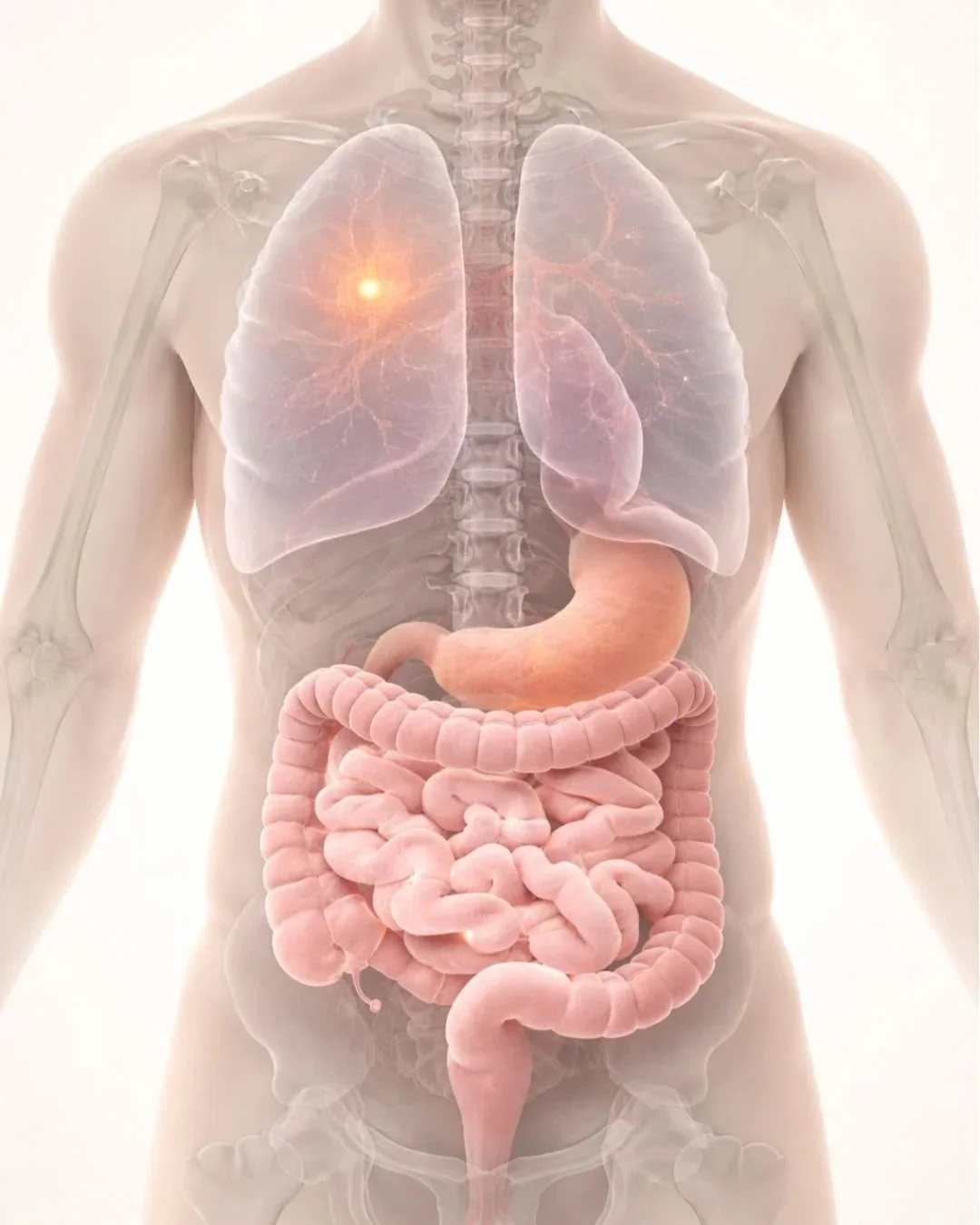
Gut health and lung cancer treatment: what new research shows
When we talk about lung cancer, we usually focus on the lungs.
But new research suggests the gut may also play a role in how some treatments work.
The gut microbiome is the community of bacteria and other microbes that live in the digestive system. These microbes help regulate the immune system. Because immunotherapy works by activating the immune system to attack cancer, researchers are asking whether the gut microbiome could influence treatment outcomes.
This is still an area of active research. But the findings so far are interesting.
Why the gut might be important
A large part of the immune system is based in the gut. The bacteria that live there interact constantly with immune cells. They help train them and influence how strongly they respond.
Immunotherapy drugs such as immune checkpoint inhibitors rely on the immune system being able to recognise and attack cancer cells. If the immune system is influenced by the gut microbiome, it makes sense to explore whether gut bacteria could affect how well these drugs work.
Several studies across different cancers have found that people with a more diverse gut microbiome tend to respond better to immunotherapy. Diversity simply means a wider range of different types of bacteria.
Researchers have also noticed that recent or repeated use of broad spectrum antibiotics, which can reduce gut bacteria diversity, has sometimes been linked with poorer outcomes in people receiving immunotherapy. This does not mean antibiotics should be avoided when needed. It simply highlights how connected these systems are.
A recent study in advanced lung cancer
A recent study published in ESMO Open looked at people with advanced non small cell lung cancer receiving dual immunotherapy.
Before treatment began, stool samples were collected to analyse the gut microbiome. Researchers then followed people over time to see how well their cancer responded and how long the treatment controlled the disease.
The study found that people with greater gut microbiome diversity were more likely to respond well to treatment. Their tumours also showed higher levels of certain immune cells that help attack cancer.
The researchers suggested that the gut microbiome may influence how the immune system behaves inside the tumour itself.
What this means in practice
It is important to be clear about what this does and does not mean.
We do not yet have a microbiome test that is used routinely in lung cancer clinics. We also do not have proven dietary plans, supplements or probiotics that are guaranteed to improve immunotherapy outcomes.
This research does not change current treatment guidelines.
What it does show is that lung cancer treatment is more complex than just what happens inside the tumour. The wider immune system and the gut environment may also matter.
In the future, gut microbiome analysis could become part of a more personalised approach to treatment. For now, it remains a promising research area.
Looking after your gut during treatment
There is no single diet that has been proven to improve immunotherapy response in lung cancer. General advice still applies. Eating a balanced diet if possible, staying hydrated and discussing any supplements with your oncology team is important.
Never start or stop medicines, including antibiotics, without speaking to your medical team.
The bigger picture
Precision medicine in lung cancer has so far focused on tumour testing and biomarkers such as EGFR and ALK. The microbiome adds another layer to this picture.
It reminds us that the body works as a connected system. The lungs, immune system and gut are not separate from each other.
Research is ongoing. As more data emerges, we will understand better whether gut health can be safely and meaningfully integrated into lung cancer care.
For now, the key message is this: scientists are learning that the gut may influence how some lung cancer treatments work. It is an area worth watching.