
PFAS restrictions and medicines: what is the EU proposing, and how it might affect lung cancer treatment
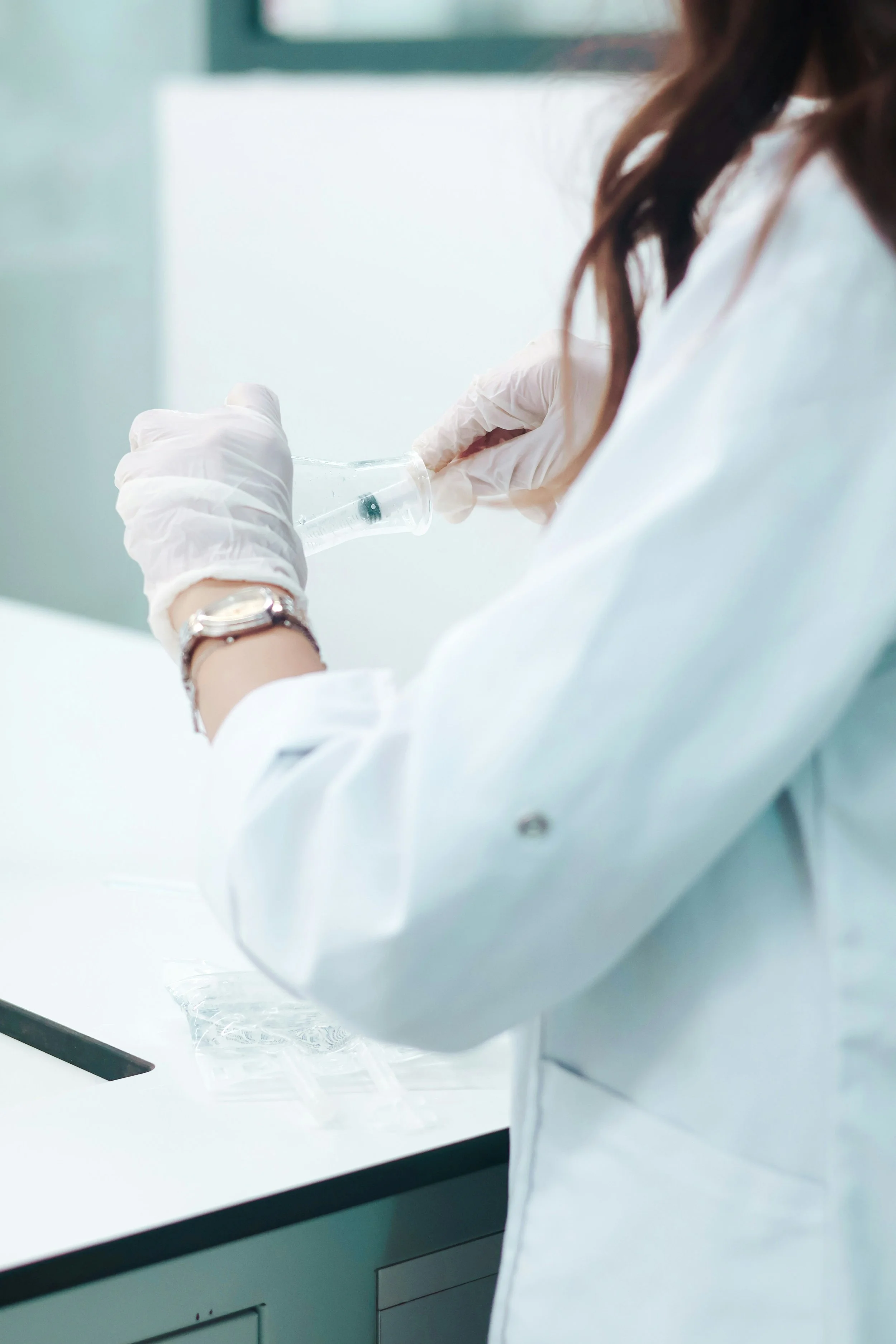
The European Union is moving closer to restricting a large class of synthetic chemicals known as PFAS, or per- and polyfluoroalkyl substances. Commonly referred to as “forever chemicals,” PFAS are found in thousands of everyday and industrial products. The proposed regulation has clear environmental and public health aims. It also raises important questions about medicine supply that Lung Cancer Europe is following closely.
What are PFAS?
PFAS is an umbrella term covering thousands of synthetic chemicals valued for their resistance to heat, water, and grease. They are used across many industries, from food packaging to electronics to pharmaceuticals. ECHA’s Risk Assessment Committee has confirmed that PFAS pose increasing risks to human health and the environment due to their high persistence, and that existing regulatory measures are insufficient to effectively control emissions. 
Where is the EU regulatory process?
In March 2026, ECHA’s Risk Assessment Committee published its final opinion supporting EU-wide restrictions, while its Socio-Economic Analysis Committee published a draft opinion endorsing the same direction.  A public consultation on that draft opinion opened on 26 March and runs until 25 May 2026.  SEAC is expected to adopt its final opinion by the end of 2026, after which its recommendations will be submitted to the European Commission.  If the Commission follows the committees’ recommendations, restrictions on medicines and other life sciences products containing PFAS could come into effect as early as 2029. 
Why could this affect cancer medicines?
PFAS are used in the manufacturing, packaging, and delivery of medicines, including some cancer treatments. At least 139 active pharmaceutical ingredients currently in use contain PFAS.  This means pharmaceutical manufacturers may need time and investment to adapt certain production processes.
The central regulatory question is whether medicines will receive appropriate derogations during any transition. The coalition of EU countries that developed the restriction dossier had proposed a time-unlimited derogation for active pharmaceutical ingredients. SEAC’s draft opinion concluded that this has not been justified.  SEAC favours instead a framework combining a general restriction with use-specific derogations rather than an immediate full ban.  How this is resolved will be significant for medicine availability.
What does this mean right now?
There is no impact on cancer treatments today. Any restrictions are years away, and essential medicines are expected to receive specific consideration throughout the process. Regulatory and healthcare systems at EU level are already engaged on the question of supply resilience.
Lung Cancer Europe’s involvement
Reducing long-term exposure to persistent chemicals matters for everyone, including people living with and beyond cancer. So does uninterrupted access to effective treatments. These two goals are not in conflict, but the transition needs to be managed carefully and with full awareness of the consequences for medicine supply chains.
Lung Cancer Europe is engaged in discussions with European patient organisations and relevant stakeholders, and is contributing to the evidence base as this regulation develops. We will continue to update this page as the process moves forward.
Read more
Air Pollution and Lung Cancer in Europe: What the Evidence Now Shows
https://www.lungcancereuropenews.eu/news/air-pollution-and-lung-cancer-in-europe-what-the-evidence-now-shows
How the EU HTA Regulation is Changing Lung Cancer Treatment Assessment in Europe
https://www.lungcancereuropenews.eu/news/eu-hta-regulation-lung-cancer-treatment-assessment-europe
ECHA public consultation on PFAS restriction
https://www.echa.europa.eu/-/echa-to-launch-consultation-on-draft-seac-pfas-opinion