
Germany launches lung cancer screening programme from 1 April
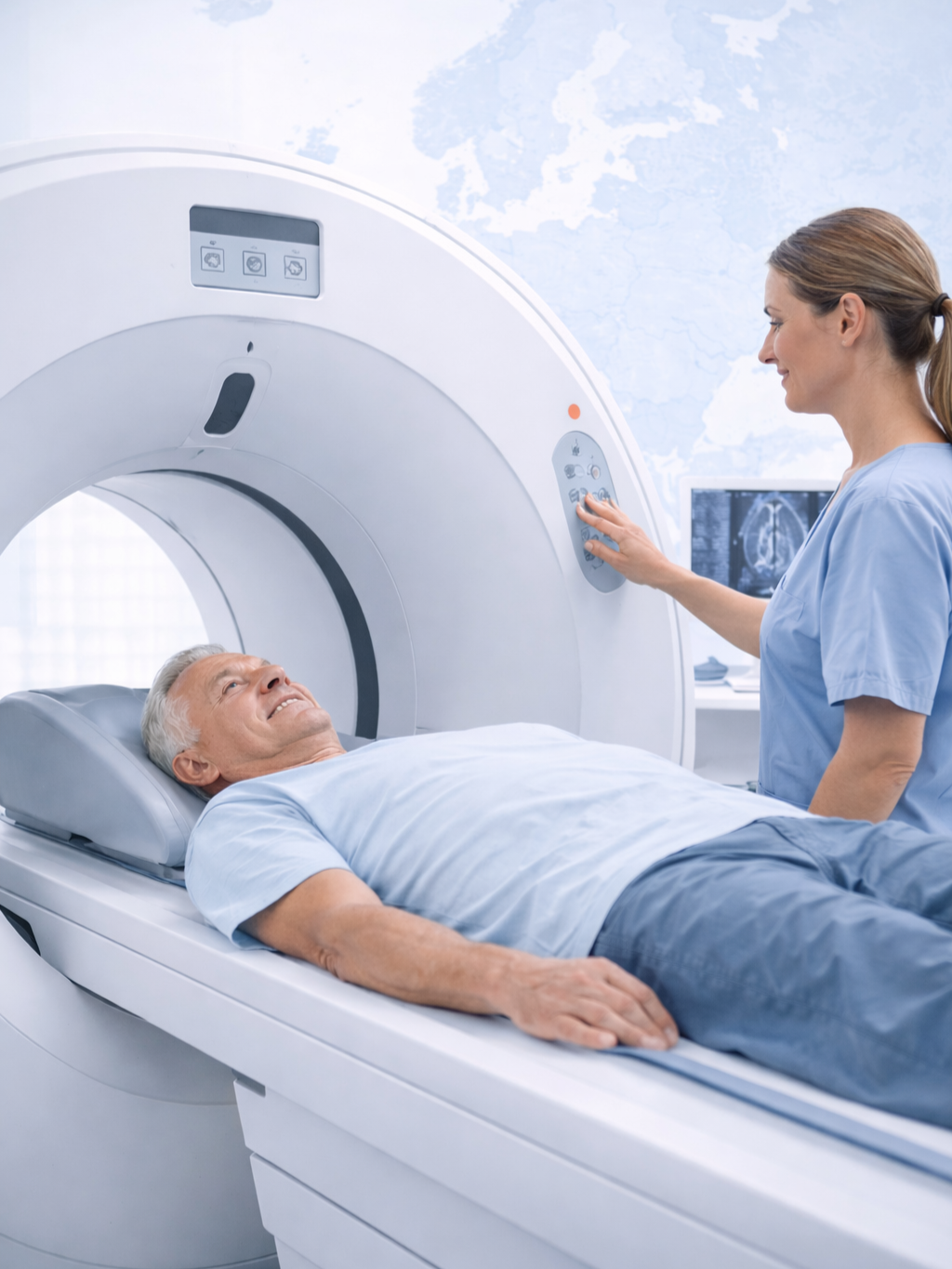
Germany has launched a national lung cancer screening programme from 1 April 2026, opening up annual low-dose CT screening for eligible current and former heavy smokers aged 50 to 75 through statutory health insurance. It is an important step for early detection in one of Europe’s largest healthcare systems.
Lung cancer is still too often found late, when treatment can be more difficult and outcomes are often worse. Screening aims to find lung cancer earlier, before symptoms appear, in people at higher risk. Germany’s move brings low-dose CT screening into routine care and adds real momentum to the wider conversation about early detection across Europe.
The launch is significant, but rollout in practice will matter just as much as the policy itself. Recent public-facing coverage in Germany notes that access may not be immediate everywhere, as some hospitals and clinics still need to complete final administrative and quality assurance steps before appointments can begin. That gap between approval and real-world access is something many countries still need to solve.
Germany’s progress also sits within a broader European push to strengthen lung cancer screening. The EU4Health-funded SOLACE project was set up to support countries with the implementation of lung cancer screening programmes, improve quality assurance, and help reduce barriers to access for high-risk groups.
For Lung Cancer Europe, this is the bigger story. Germany’s new programme is a welcome step forward, but progress on screening across Europe is still uneven. Some countries are moving ahead with implementation, while others remain at pilot stage or are still deciding how screening should work in practice. Early detection cannot depend on geography.
As Germany’s programme begins, the focus now shifts from policy to delivery: making sure eligible people know about the programme, can access it without unnecessary delay, and receive high-quality screening through clear and consistent pathways. That is what will determine whether this change makes a real difference.