
Lung cancer screening detects other cancers too, new research finds
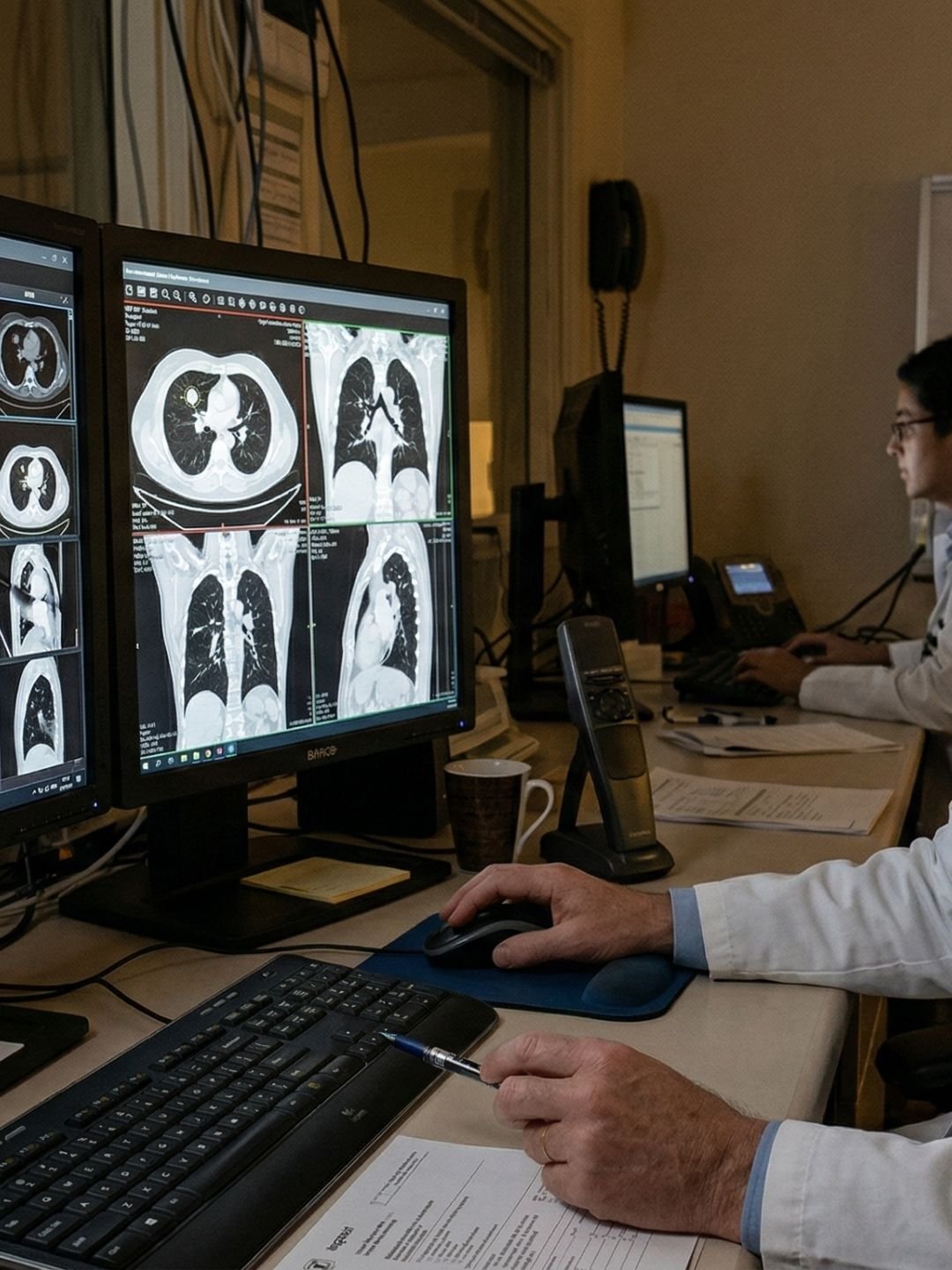
When someone goes for a lung cancer screening scan, the radiologist is looking for one thing. But the scan sees everything.
A new study published in JAMA Network Open has found that people who had significant unexpected findings on their lung cancer screening scan were considerably more likely to be diagnosed with a different cancer within the following year, compared to those whose scans showed nothing unusual beyond the lungs.
The findings come from the National Lung Screening Trial, a large US study that followed over 26,000 people through multiple rounds of low-dose CT screening. Researchers looked specifically at findings that were flagged as potentially significant but unrelated to lung cancer, such as unusual masses near the kidneys, enlarged lymph nodes, or other abnormalities in the surrounding area. They then tracked whether those people went on to receive a cancer diagnosis within the next twelve months.
The results were clear. People with one of these flagged findings were nearly twice as likely to be diagnosed with another cancer in the year that followed. The strongest associations were with cancers of the urinary system and with blood cancers such as lymphoma and leukaemia.
This is not entirely surprising. The people who qualify for lung cancer screening, typically those with a long history of smoking, are also at higher risk of several other cancers. A screening scan that covers the chest and surrounding area will sometimes pick up early signals of those too.
What makes this study significant is that it provides rigorous evidence for something that has largely been guided by expert opinion until now. It suggests that when a screening scan flags an unexpected finding, that flag deserves careful follow-up, and that doing so could lead to earlier diagnosis of cancers that might otherwise go undetected for longer.
The implications for Europe are real. Germany launched its national lung cancer screening programme on 1 April this year. Other countries are at various stages of developing or expanding their own programmes. As more people across Europe enter screening, the evidence from this study adds a compelling argument for investing in those programmes - they may deliver benefits that go well beyond catching lung cancer early.
But the study also carries a clear message about what needs to happen next. Until now, guidance on what to do when a scan picks up something unexpected has been based largely on expert opinion rather than evidence. The researchers are calling for clearer, more consistent protocols - so that when a scan raises a concern, the right follow-up actually happens, for every patient, regardless of where in Europe they are screened.
Lung cancer screening was designed to save lives by catching lung cancer earlier. This study suggests it may be doing more than that. Getting the follow-up right is not just a clinical detail - it is how those additional lives get saved.