
Oral Health During Lung Cancer Treatment: What the Evidence Shows
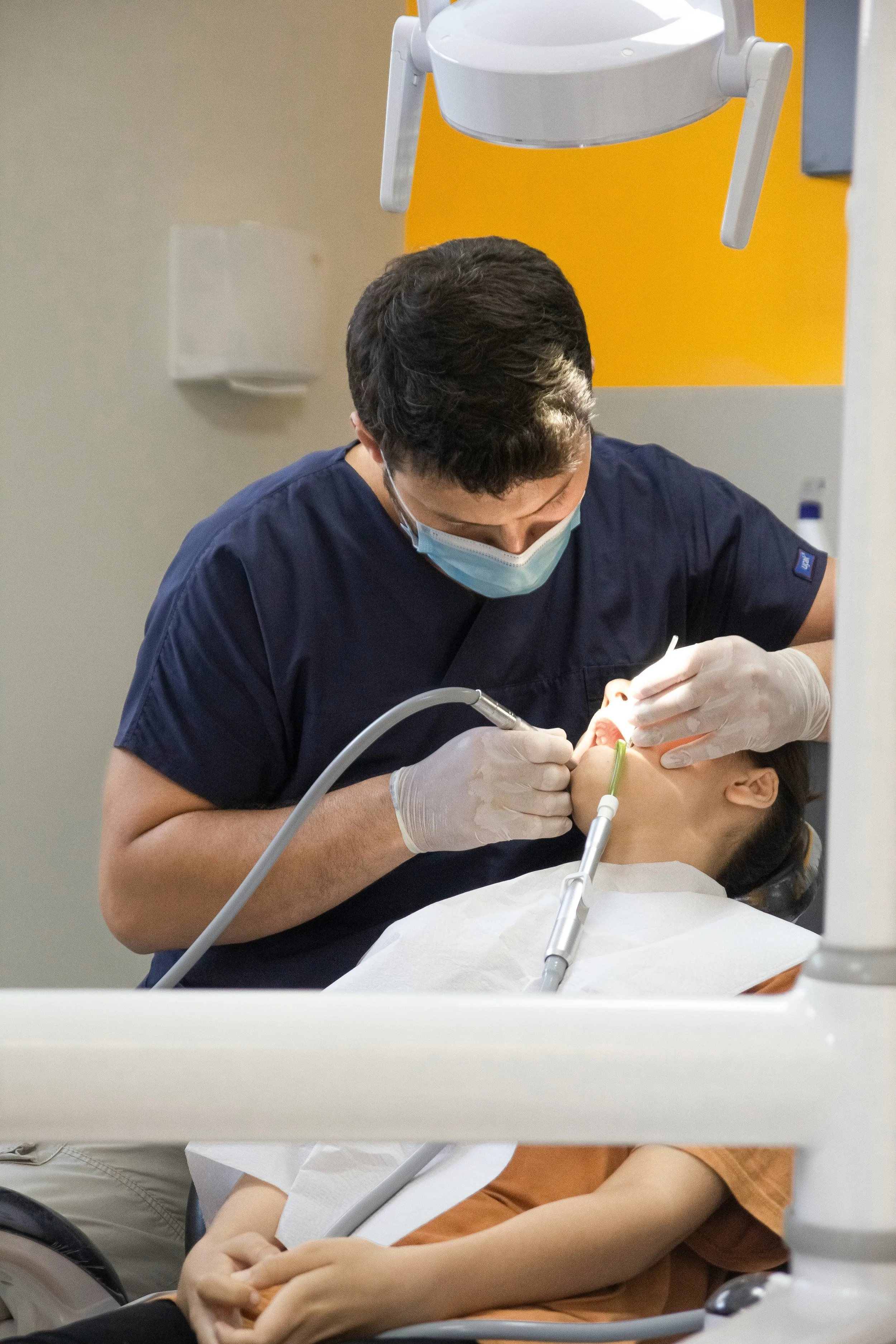
Oral health and cancer treatment
A clinical commentary published in JAMA Oncology in March 2026 brings together the evidence on oral health during cancer treatment (Maret, Epstein and Vigarios, 2026). It covers mouth sores, dry mouth, tooth decay, taste changes, and mouth infections. It recommends a dental check-up before starting treatment.
The commentary covers cancer treatment broadly. The data for lung cancer specifically is striking.
How common are oral side effects in lung cancer?
Between 46% and 77% of people with lung cancer experience taste changes during treatment (Spencer et al., 2021). For people with non-small cell lung cancer (NSCLC), 35% report taste changes before treatment even begins (Turcott et al., 2020).
More than 1 in 5 people with lung cancer who develop mouth sores need their treatment dose reduced or interrupted as a result (Taylor and Francis, 2025).
Oral side effects can stop treatment.
What happens by treatment type
Chemotherapy
Chemotherapy damages fast-growing cells, including the cells lining the mouth. Mouth sores (oral mucositis), dry mouth (xerostomia), taste changes, difficulty swallowing, mouth infections, and accelerated tooth decay are all documented side effects.
Dry mouth reduces saliva, which normally protects teeth. Without it, cavities can develop quickly.
Targeted therapy
Targeted therapies carry their own oral health risks. Among people taking afatinib, an EGFR-targeted therapy, mouth sores affect between 52% and 72% (Benitez Majano et al., 2018). For osimertinib, the rate is around 12%.
Taste changes are particularly associated with some ALK+ inhibitors. Crizotinib has a well-documented link to altered taste (dysgeusia). The incidence appears lower with alectinib (Spencer et al., 2021).
Oral toxicities from targeted therapies are clinically distinct from those caused by chemotherapy and need to be recognised and managed as such.
Immunotherapy
Immunotherapy can cause immune-related side effects in the mouth. Oral lichenoid reactions, an immune reaction affecting the mouth lining, have been reported with checkpoint inhibitors. Mouth sores, dry mouth, and taste changes are also documented. These differ mechanistically from chemotherapy-related mouth problems and may need different management.
The downstream effects
Taste changes and mouth pain affect eating. Reduced nutrition affects how well people tolerate treatment and recover from it.
Dry mouth accelerates tooth decay. The JAMA Oncology commentary notes that some effects of cancer treatment on oral health may be permanent, requiring increased dental care long after treatment ends (Maret et al., 2026).
Unmanaged oral side effects can affect whether people are able to continue treatment at the planned dose and schedule.
Oral health and quality of life
Eating is social. It is one of the ways people maintain normality during treatment. When food tastes wrong, or eating is painful, that affects more than nutrition.
Research shows that people with taste changes during lung cancer treatment report significantly worse scores across quality of life measures, including appetite, nausea, social function, and role function (Spencer et al., 2021).
Oral side effects are also among the side effects people are least likely to report to their care team. They are often managed at home, in silence, without clinical support.
Supportive oncology exists precisely to address this gap. Oral health is part of it.
What clinical guidance recommends
The following reflects published clinical guidelines and peer-reviewed research.
A dental check-up before starting treatment is strongly recommended (Maret et al., JAMA Oncology, 2026).
People should be informed which oral side effects are associated with their specific treatment before they start (MASCC/ISOO, 2025). The risks differ by treatment type.
Care teams should include or refer to oral health specialists where possible (MASCC/ISOO, 2025).
Regular mouth care during treatment can reduce the severity of side effects (NCI, 2024).
If you are experiencing mouth problems during treatment, tell your care team. There is a lot that can be done to help, and these side effects can be managed.
Sources
MASCC/ISOO Clinical Practice Statement, 2025.
NCI Oral Complications of Cancer Therapies guidelines, 2024.