
Lung Cancer Europe is at ASCO for the first time. Here is why.
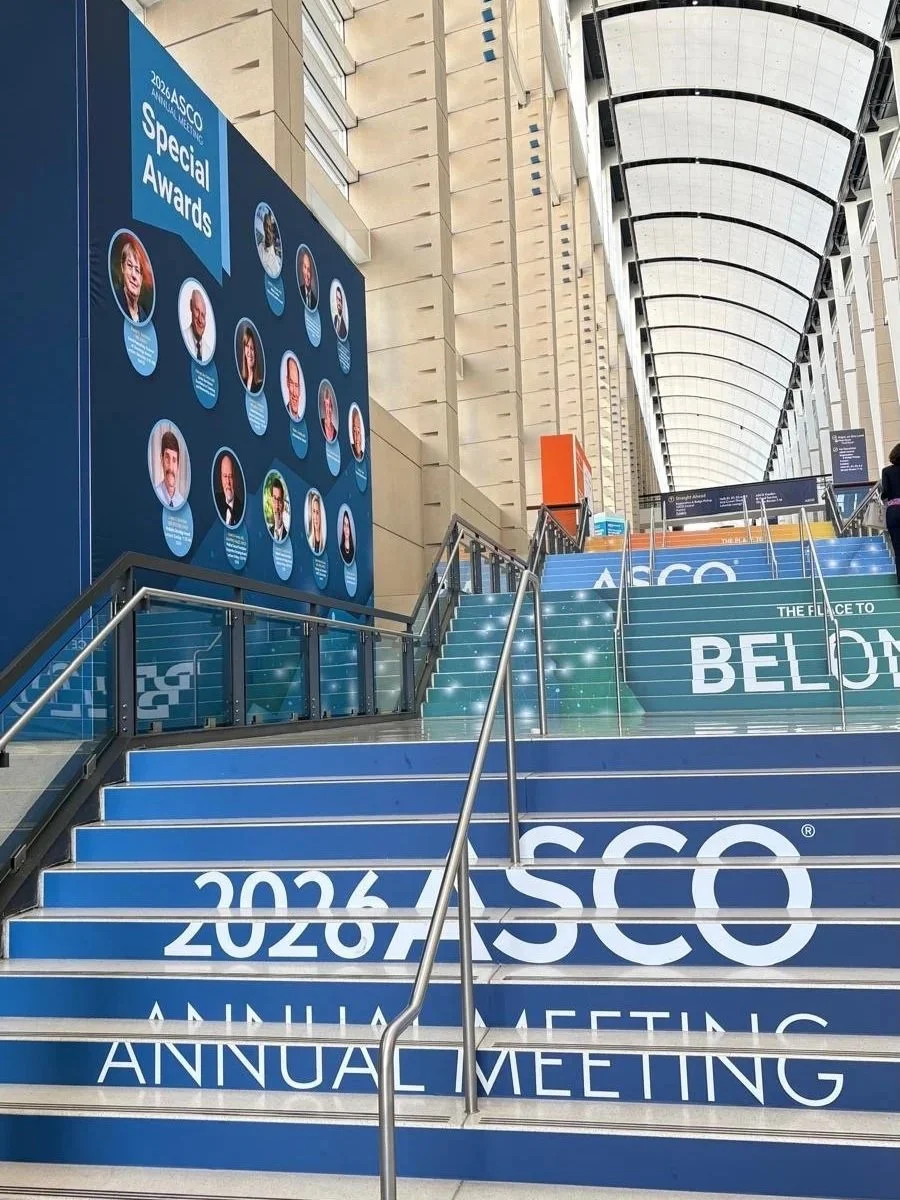
Lung Cancer Europe is in Chicago for the ASCO Annual Meeting 2026. This is the first time we have attended ASCO as an organisation.
That decision was not made because ASCO is large, well known or international, although it is all of those things.
We are here because lung cancer research is moving quickly, and the data discussed at meetings like this can influence the future of care. Studies presented at ASCO can feed into clinical guidelines, regulatory decisions, treatment pathways and policy discussions. Over time, they can affect what people with lung cancer in Europe may be able to access.
That is why this meeting is relevant to a European lung cancer advocacy organisation.
ASCO brings together researchers, clinicians, advocates, professional societies, regulators, industry and organisations from across the world. It is one of the places where the next direction of cancer care starts to become clear.
For Lung Cancer Europe, the key question is straightforward.
What could this mean for people affected by lung cancer across Europe?
Lung cancer science is moving fast
Clinically, lung cancer is in one of the most active periods it has ever seen.
Targeted therapies continue to improve. Immunotherapy is being refined. Antibody drug conjugates are moving quickly through research. Cancer vaccines are being studied. Biomarker testing is becoming more central to treatment decisions. More people are living longer with lung cancer than would have been expected not long ago.
That progress is real, but it also creates new pressure on health systems. Advances in treatment only help people if they can reach them. That means the right diagnosis, the right test, the right treatment and the right support, at the right time.
Across Europe, that is still not guaranteed.
People may face delays in diagnosis. Some do not receive comprehensive biomarker testing. Access to clinical trials is uneven. New medicines may be approved but not reimbursed quickly. Treatment options can vary widely depending on country, region, hospital or income.
So while ASCO is a scientific meeting, the questions it raises are also deeply practical.
Can European health systems keep up with the pace of lung cancer research?
What we are watching at ASCO 2026
The meeting has only just begun, but several areas of lung cancer research are especially relevant to Lung Cancer Europe’s work.
We are watching developments in targeted therapies, including ALK positive, EGFR positive and RET altered lung cancer. These areas show how much lung cancer care has changed through biomarker testing and precision medicine.
We are also following data on antibody drug conjugates, immunotherapy combinations, treatment after progression, brain metastases, small cell lung cancer and earlier stage disease.
One theme is especially important: how lung cancer progress is measured.
For many years, progress in advanced lung cancer was often measured in months. Did a treatment delay progression? Did it improve survival? Did it give someone another option after previous treatment stopped working?
Those questions are still important. They are part of how evidence is assessed.
But in some areas of lung cancer, the ambition is becoming bigger. Researchers are now asking whether treatment can offer years of disease control. Whether it can protect the brain. Whether it can reduce the risk of recurrence after surgery. Whether it can be better matched to the biology of each person’s cancer. Whether people can live well for longer, not only live longer.
For people with lung cancer, this is not just a technical change in research language.
It affects scan anxiety. It affects side effects. It affects work, family life, travel, caring responsibilities, mental health and planning for the future. It affects whether treatment feels like something someone can live with, rather than something that takes over daily life.
That is why Lung Cancer Europe is paying close attention.
Biomarker testing is central to the future of lung cancer care
Many of the most important advances in lung cancer depend on accurate testing.
Biomarker testing can identify changes in a tumour that may guide treatment. In non small cell lung cancer, this can include changes such as EGFR, ALK, ROS1, BRAF, MET, RET, NTRK, HER2 and KRAS, among others.
Without timely biomarker testing, people may miss the chance to receive a treatment that is more likely to help them. They may start a treatment without the full information needed. They may lose time. They may lose options.
This is one of the reasons Lung Cancer Europe continues to focus on diagnostics and access across Europe.
The science presented at ASCO can be world leading. But if testing is not available, delayed or incomplete, that progress will not reach everyone who could benefit.
Small cell lung cancer needs more attention
Small cell lung cancer remains one of the hardest areas in lung cancer care.
It often moves quickly. Many people are diagnosed at a late stage. Treatment options have been limited for a long time. The emotional and practical impact on people and families can be severe.
At ASCO 2026, we are watching the small cell lung cancer programme closely. New approaches are being studied, including immunotherapy strategies, targeted approaches, T cell engagers, antibody drug conjugates and treatments focused on specific biological markers.
This does not mean the problem is solved. It is not.
But it does mean small cell lung cancer is receiving more scientific focus. That is needed. People affected by small cell lung cancer have waited too long for progress.
Progress must include quality of life
Better treatment is not only about longer survival.
It is also about how people live during and after treatment.
Do people have clear information? Are side effects managed properly? Are mental health needs recognised? Are carers supported? Are treatment decisions made with people, not just for them? Are people able to work, travel, care for family, or live with some sense of stability?
These questions need to sit alongside the science.
At Lung Cancer Europe, quality of life is not an extra issue. It is part of good care. Living longer should also mean living better, with proper support for symptoms, side effects, emotional wellbeing and personal priorities.
This is why shared decision making is so important. People need clear, honest information about treatment options, possible benefits, risks, side effects and what a treatment may mean in daily life.
Why this matters for Europe
ASCO is taking place in the United States, but the research discussed here has global relevance.
Cancer science does not respect borders. A study presented in Chicago may later influence how clinicians think about treatment in Madrid, Warsaw, Athens, Dublin, Amsterdam, Bucharest, Paris or Copenhagen.
That is why Lung Cancer Europe needs to follow the evidence early.
Our role is not to replace clinicians, regulators or researchers. Our role is to bring a European advocacy perspective. We look at what the science could mean in real life. We ask where access gaps may appear. We ask whether people will have the testing needed to benefit. We ask whether care systems are ready. We ask whether support, communication and quality of life are being taken seriously.
For people affected by lung cancer, progress cannot stay inside conference halls, abstracts or specialist discussions.
It has to become better care.
What Lung Cancer Europe will take from ASCO
Over the coming days, we will continue listening, learning and meeting with researchers, clinicians, partners and supporters.
We will be looking at the data through the lens of our work across Europe: earlier diagnosis, biomarker testing, access to innovation, clinical trials, shared decision making, quality of life, stigma, and fair access to care.
We are attending ASCO for the first time because lung cancer is changing quickly.
Our job is to help make sure lung cancer progress can reach people across Europe.
-
Lung Cancer Europe is attending ASCO 2026 to follow major lung cancer research developments and understand how new evidence may affect care, access, guidelines and advocacy priorities across Europe.
-
ASCO is the American Society of Clinical Oncology. Its Annual Meeting is one of the largest global cancer meetings, bringing together clinicians, researchers, advocates, professional societies, industry and organisations involved in cancer care and research.
-
Research presented at ASCO can influence clinical practice, future guidelines, regulatory decisions and treatment discussions around the world, including in Europe.
-
Lung Cancer Europe is following developments in targeted therapies, biomarker testing, immunotherapy, antibody drug conjugates, small cell lung cancer, brain metastases, treatment after progression, quality of life and access to innovation.
-
Biomarker testing can identify changes in a tumour that may guide treatment decisions. Without timely and comprehensive biomarker testing, some people may miss treatment options that are more likely to help them.