
A lung cancer mutation that has resisted treatment for decades may finally have a drug
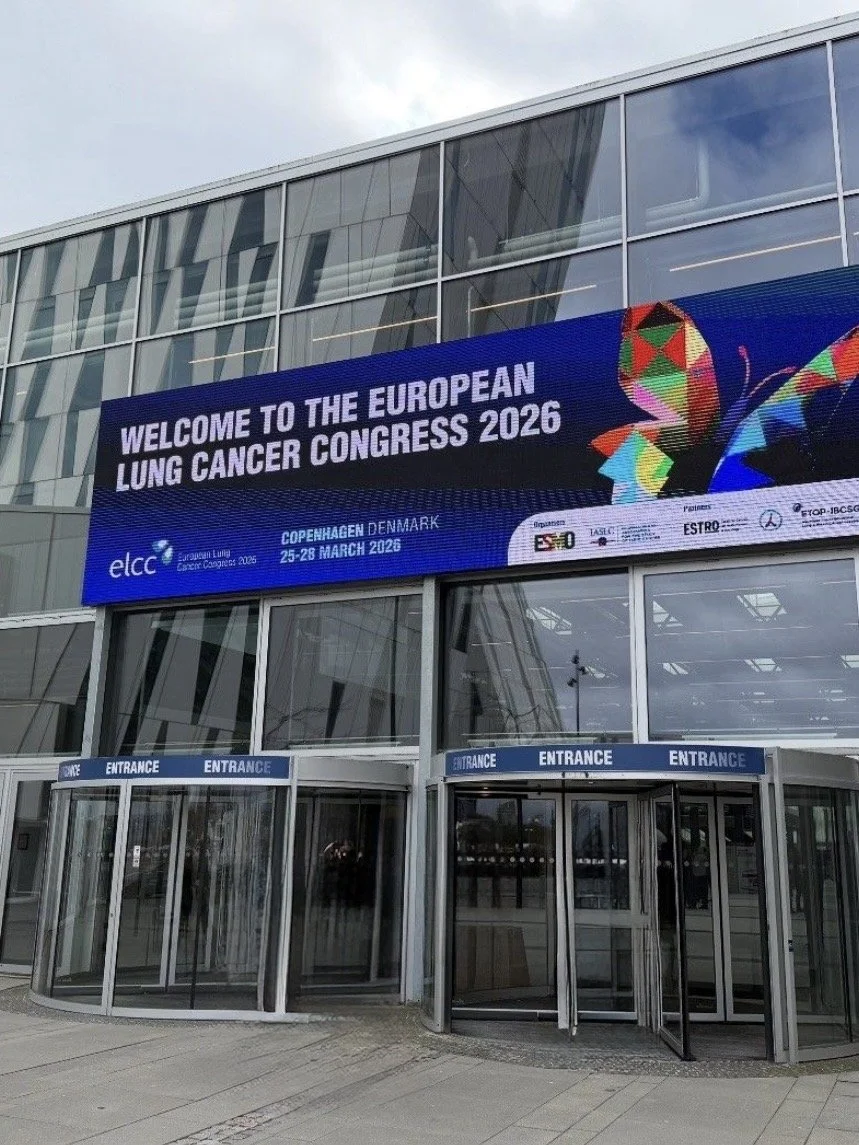
For people working in lung cancer, the European Lung Cancer Congress 2026 in Copenhagen felt really positive.
A picture emerged of a field that is genuinely moving - new drugs reaching mutations that were previously considered untreatable, treatments showing activity in the brain, combinations producing results that would have seemed unlikely just a few years ago. The sense among clinicians, researchers and advocates was more than cautious optimism.
One of the most discussed presentations of the congress came from a drug called setidegrasib, presented by Dr Jordi Remon. For years, a specific mutation found in around 5% of lung cancers - known as KRAS G12D - has resisted every attempt to target it directly. While a related mutation, KRAS G12C, eventually yielded to a new class of inhibitors, KRAS G12D presented a different structural challenge. Conventional drug design could not get a foothold. Patients with this mutation had no targeted treatment option.
Setidegrasib takes a different approach entirely. Rather than trying to block the faulty protein, it removes it. The drug marks the mutant KRAS G12D protein for destruction by the body's own cellular machinery - effectively unscrewing the lightbulb rather than just switching it off.
The results from the first human trial, published simultaneously in the New England Journal of Medicine and presented at ELCC, showed that in previously treated patients with KRAS G12D-mutant lung cancer, 36% responded to the drug. Nearly six in ten were still alive at one year. The median time without disease progression was over eight months - in patients who had already been through chemotherapy and immunotherapy and had run out of options.
These are phase 1 results. The trial was designed primarily to assess safety, not to establish the drug as a new standard of care, and larger trials will be needed before setidegrasib could reach routine clinical use. The researchers are clear about that, and so are we. But phase 1 results of this quality, in a population with previously no targeted options, are significant. They represent proof that KRAS G12D can be treated - and that changes the conversation.
That conversation now needs to happen across Europe.
Because here is what the data from Lung Cancer Europe's own research tells us. In the 9th Lung Cancer Europe Report, published in 2024 and based on responses from over 2,000 people with lung cancer and caregivers across 34 European countries, 22% of people with lung cancer were not aware of biomarkers at all. Four in ten did not receive enough information about their diagnosis, treatment and care. Only half felt highly involved in their own treatment decisions. And the single biggest barrier to meaningful participation was complex information that people simply could not understand.
A targeted treatment only helps the people who know it exists. It only reaches patients who have been tested for the mutation it targets. It only benefits those who feel informed and empowered enough to ask about it, or whose clinicians have the time, the tools and the systems to identify them.
As precision medicine advances, the gap between what is scientifically possible and what people actually receive risks growing wider, not narrower - unless access, information and testing keep pace with discovery.
ELCC 2026 showed what is coming. Setidegrasib is one part of a broader wave of treatments that are finally reaching mutations that had no options. That is genuinely exciting and worth celebrating. But Lung Cancer Europe's position has always been that scientific progress without equitable access is incomplete progress. Early biomarker testing, clear information, and meaningful involvement in treatment decisions are not optional extras. They are what turns a breakthrough in Copenhagen into a better outcome for a patient in Bucharest, or Riga, or Ljubljana.
New research just published in npj Precision Oncology adds further context. Even as KRAS becomes druggable, scientists are finding that mutation status alone does not predict who will respond to treatment. Tissue type, co-occurring mutations, and the immune environment around the tumour all influence outcomes. The implication for patients and for European health systems is the same: comprehensive biomarker testing matters, not just testing for a single mutation.
The landscape is changing. The question now is whether the systems serving people with lung cancer across Europe are changing with it.