
Why People with Lung Cancer Face a Higher Risk of Hospital Infections
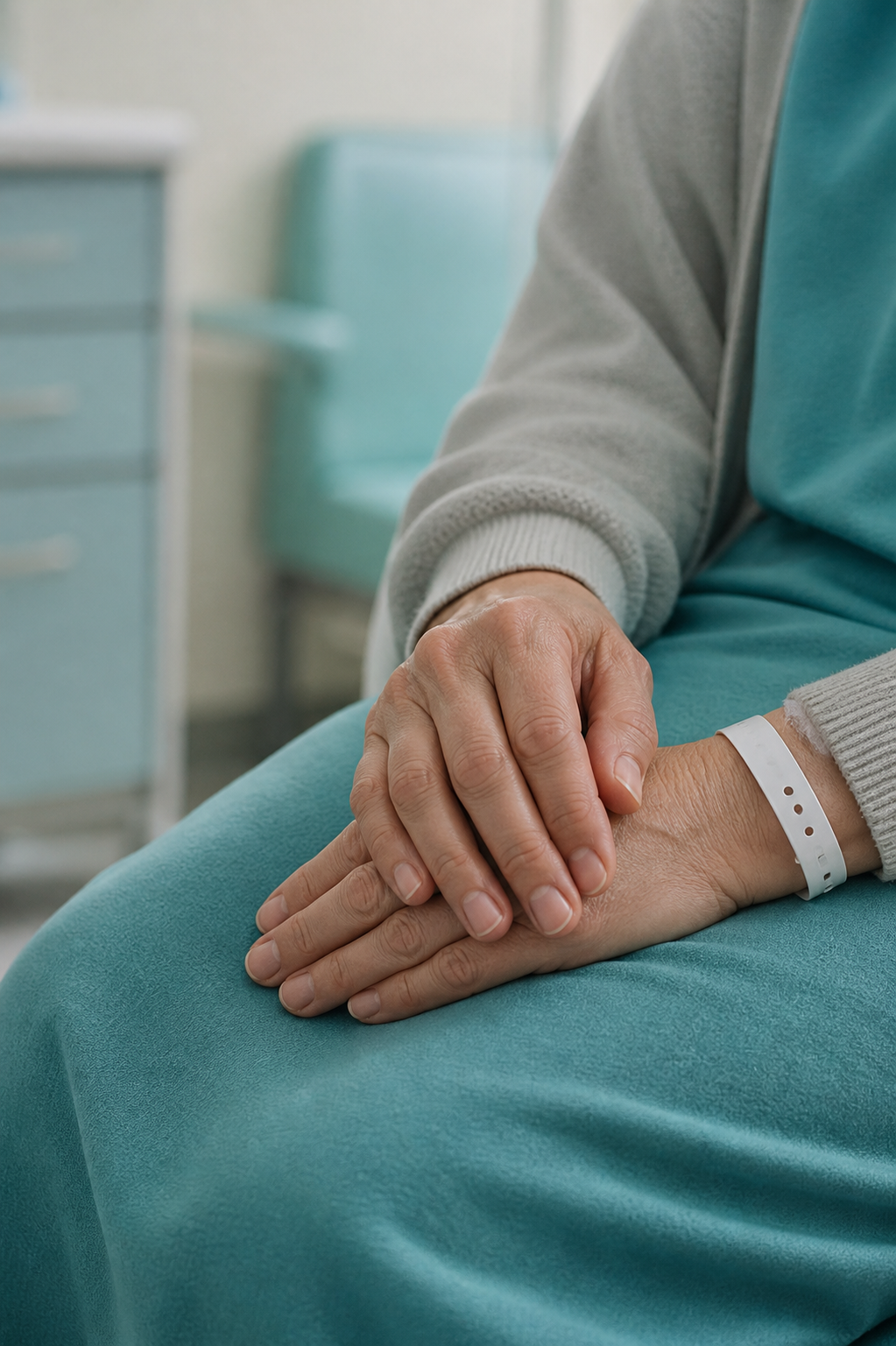
People living with lung cancer face a significantly higher risk of developing infections during hospital stays. A major new European report warns this risk is not being taken seriously enough.
According to Treating the Whole Patient, a policy report published in April 2026 by the European Cancer Organisation (ECO), people with cancer are two to five times more likely to develop a healthcare-acquired infection (HAI) than other hospitalised patients. For those undergoing intensive chemotherapy, or living with blood cancers, the risk is even higher.
The report draws on expert testimony, patient experience, and clinical research, and argues that healthcare-acquired infections remain one of the most under-addressed risks in cancer care across Europe. Lung Cancer Europe is sharing its findings because they are directly relevant to the people we represent.
Why lung cancer treatment increases infection risk
Lung cancer treatment places the immune system under significant pressure. Chemotherapy, targeted therapies, and steroids all suppress the body’s ability to fight infection. Frequent hospital visits and the use of medical devices such as urinary catheters further increase exposure to harmful bacteria.
This combination makes people undergoing lung cancer treatment especially vulnerable. And when infections do occur, they can be serious.
When antibiotics stop working
The ECO report raises particular concern about antimicrobial resistance (AMR), the growing problem of bacteria becoming resistant to antibiotics.
Research cited in the report, from a study of 347 cancer patients with bloodstream infections, found that one in three infections were caused by bacteria not susceptible to any available antibiotic. Mortality among patients with drug-resistant infections was 27%, compared with 7% in patients whose infections responded to treatment.
Cancer patients are also nearly ten times more likely to develop sepsis than people without cancer, largely because of the immune suppression caused by the disease and its treatments. In hospitalised cancer patients, sepsis is present in a very high proportion of deaths.
The report warns that if AMR is left unaddressed, some routine cancer treatments could become nonviable by 2030, because the infection risks would outweigh the benefits of therapy. Up to 50% of cancer deaths are already linked to infections, yet AMR is rarely recorded on death certificates, masking the true scale of the problem.
The specific risk of urinary catheters
The ECO report gives particular attention to catheter-associated urinary tract infections (CAUTIs), one of the most common and preventable types of hospital-acquired infection.
Urinary tract infections account for around 19% of all healthcare-acquired infections in European acute care hospitals. Almost 800,000 hospital-acquired urinary tract infections occur in the EU every year, and more than 60% are linked to urinary catheters.
The financial and human cost is considerable. CAUTIs cost healthcare systems between €800 and €1,000 per case, an estimated €477 million annual burden across the EU. They also extend hospital stays, delaying new admissions and elective surgeries.
Up to 47% of catheter insertions may be unjustified. Reducing unnecessary catheter use has been shown to lower infection rates and improve patient safety.
Women face a particular risk. The report notes that women have a two-fold higher risk of CAUTI with indwelling catheters, and calls for greater use of alternative catheter options and better gender-specific data collection.
An uneven picture across Europe
The likelihood of developing a healthcare-acquired infection varies widely across Europe. Some countries have stronger monitoring systems, better infection-control protocols, and more consistent patient education. Others lag behind significantly. Where a person with lung cancer is treated can materially affect their risk of developing a preventable infection.
What needs to change
The ECO report sets out clear recommendations for policymakers, health systems, and clinicians.
On infection prevention:
Reduce unnecessary catheter use through updated clinical protocols and decision-support tools
Strengthen nurse education and multidisciplinary collaboration on infection control
Establish a dedicated EU-level initiative on CAUTIs, integrated into existing strategies on AMR and patient safety
Improve EU surveillance and data quality, including gender-specific outcomes
On antimicrobial resistance:
Sustain and strengthen AMR education for both clinicians and the public
Reform the market for antibiotic development, including creating an ‘AMR designation’ similar to orphan drug status, to prioritise development of new antibiotics
Give pharmacists a fully recognised role in antimicrobial stewardship
Apply a One Health approach that addresses antibiotic overuse in agriculture as well as healthcare
What this means for people living with lung cancer
If you are currently undergoing lung cancer treatment, or supporting someone who is, it is worth being aware of infection risk. Not to cause alarm, but because awareness can help.
Some practical steps worth discussing with your healthcare team:
Ask about infection prevention measures during any planned hospital stay or procedure
Know the signs of infection: fever, chills, unusual pain or redness around any catheter or line, or feeling suddenly unwell
If you are prescribed antibiotics, complete the course as directed
If you have concerns about antimicrobial resistance or your infection risk, raise them with your oncologist or specialist nurse
About the report
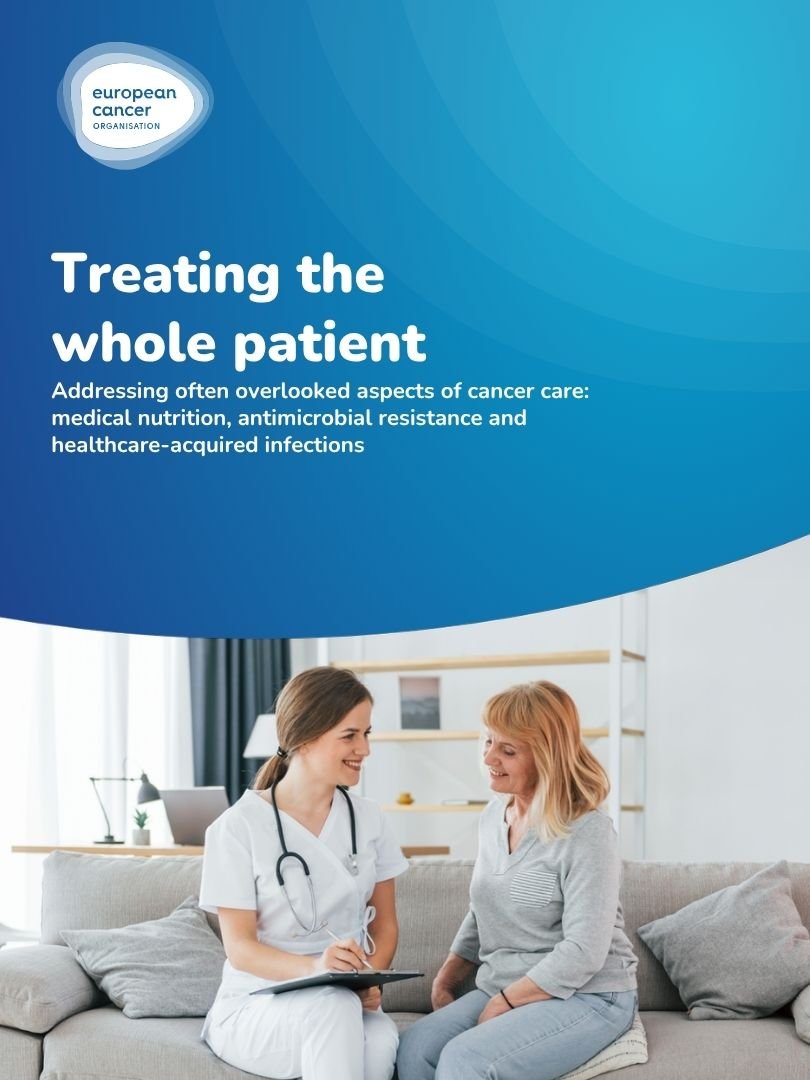
Treating the Whole Patient: Addressing often overlooked aspects of cancer care was published by the European Cancer Organisation in April 2026. It covers three areas of cancer care the report identifies as under-addressed: medical nutrition, antimicrobial resistance, and healthcare-acquired infections. The report draws on a Community 365 Roundtable held in May 2025, bringing together clinicians, patient advocates, pharmacists, nurses, and policymakers from across Europe.